

Many travelers dread low-cost carriers, labeling them as "trap-heavy" due to hidden costs. However, as seasoned budget explorers, we see it differently. These airlines offer a "pay-for-what-you-need" model where transparency is actually higher than you'd think—if you bother to read the fine print.
The reality is that many people click "accept" without scanning the terms. Take Spirit Airlines: they are incredibly blunt about their fees and even provide guides on how to dodge them. Yet, they still rake in massive profits from extras. In past years, nearly half of their revenue came from non-ticket items like baggage and seat selection.
If you want to keep your hard-earned cash for experiences—like street food and local beers—rather than airline surcharges, you need to play the game smartly. Here are 16 essential strategies to fly for pennies and avoid every single extra fee.
1. Research Your Specific Carrier
Don't assume all "low-cost" brands operate by the same playbook. Every airline has unique baggage dimensions and fee structures. For instance:
• Spirit might charge a fee for booking online that you can bypass at the airport counter.
• Ryanair does the opposite, charging a premium for airport bookings while online check-in is free.
• AirAsia often scales fees based on the specific route.
Pro Tip: Always read the confirmation email and do a quick search for "common [Airline Name] fees" to see what other travelers are complaining about.
2. Map Out Your Arrival Airport
Budget carriers often utilize secondary airports located far from the city center to keep landing fees low. Before you book that $20 flight, calculate the cost and time of the transit to your final destination. If the bus or train ride costs more than the flight, it’s not a deal.
Note: Because these airlines often face delays, never book tight connections. Aim for at least a 2-hour buffer between flights.
3. Buy Add-ons During Booking
If you know you’ll need a checked bag, a meal, or extra equipment (like a guitar), pay for it the moment you book your ticket. Prices for these services skyrocket once you reach the airport terminal.
4. Use an Active Email Address
Airlines send critical reminders about check-in windows and policy changes via email. Don't use a "spam" account you never check; you might miss a warning that could save you $50.
5. Embrace the Random Seat
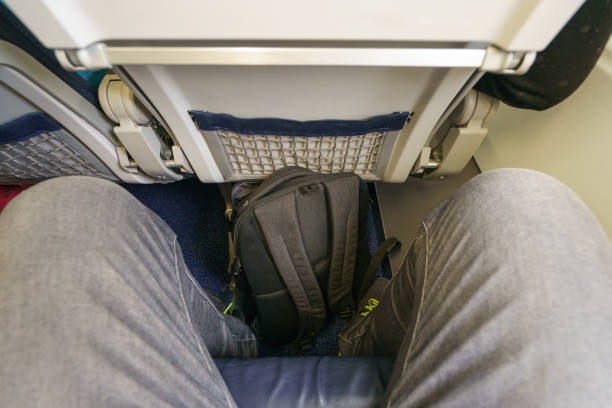
Unless you have a physical requirement, don't pay to choose your seat. If you're tall like me and need an aisle, try boarding last. Frequently, there are empty aisle seats or even entire rows that you can slide into once the doors are about to close.
6. Watch Out for "Sneaky" Insurance
Carriers like AirAsia often have a pre-checked box for travel insurance. If you aren't paying attention, you'll pay for it automatically. These "internal" policies are usually poor value. It’s better to buy a comprehensive third-party policy that covers your entire trip, not just the flight.
7. Hunt for Promo Codes
Why pay $25 when you can pay $5? Join newsletters and follow budget airlines on social media. They frequently drop "zero-fare" deals or flash sale codes that can make your flight almost free.
8. Validate Your Data (Triple Check!)
A typo in your name or the wrong flight date can cost you a fortune in "change fees." Autocorrect can be your worst enemy here. Also, avoid the call center. Many airlines charge a service fee just for talking to a human over the phone.
9. Choose Your Payment Method Wisely
Some airlines (like Ryanair) apply a percentage-based surcharge for credit card transactions. Whenever possible, use a debit card or a payment method that avoids these processing fees.
10. Master the Online Check-in
In the world of budget travel, checking in at the airport is a luxury you pay for. Do it online within the allowed window. Be aware that some airlines open check-in weeks in advance for paid seats, but only a few days (or hours) in advance for free seats.
11. Have a Physical Boarding Pass
Even if the airline accepts mobile codes, having a printed backup is a safety net. Some airports or specific low-cost carriers still insist on paper, and they will charge you a "printing fee" of $20+ just for one sheet of paper.
12. Weigh Your Bag Before You Leave
Weight limits are strictly enforced. Use a digital scale at home to ensure your carry-on is within the limit.
• The "Matryoshka" Trick: Carry a thin, foldable day-pack inside your main bag. If your main bag is overweight at the desk, pull out the day-pack, stuff it with heavy electronics (laptop, power banks), and carry it as your "personal item."
13. Know the TSA (and Local) Security Rules
Avoid being forced to check your bag because of a stray pair of scissors or a large bottle of shampoo. Stick to the 3-1-1 rule for liquids and double-check the prohibited items list for the region you are flying in.
14. Pack Your Own Snacks
Airport food is overpriced; budget airline food is even worse. Bring a sandwich or some nuts from home.
• Water Hack: Bring an empty reusable bottle through security and fill it up at a water fountain (common in Europe and North America) to avoid paying $5 for a plastic bottle on board.
15. The "Layering" Technique
If your bag is a few pounds over, wear your heaviest clothes. Put on your boots, your heaviest jacket, and stuff your pockets with chargers and heavy items. Airlines generally don't weigh the passenger—only the luggage. Some extreme travelers even use "luggage vests" with dozens of pockets to bypass weight limits entirely!
16. Arrive Early
Because budget terminals are often further away or require extra shuttle time, give yourself a massive head start. Aim to be at the airport at least 2 hours before departure. It is much better to be bored at the gate than to be late and forced to buy a last-minute, full-price ticket on a different airline.
What is your take on budget airlines? Let us know in the comments below.





russell haney
Regaring point 2: familiarize yourself with the public transit of the city your’e in.
OF
Thanks for the tips!
But – If you’re very tall, pay a few $ extra for emergency-exit seats with more legroom!
Otherwise, you risk blood-clots, which is a serious health issue…
I’m all about saving my holiday $$$, and I fly only budget airlines, but emergency-exit seats is a must for me too, so I only use them.
Jan
Awesome article! checking in ahead of time is crucial advice for anyone flying budget airlines. I am taking a trip to Europe soon and this advice will help a lot!
Samantha Sparrow
Such good tips! I have been caught out before on printing the boarding pass, so I now have the apps for all the airlines I fly with to download the boarding pass on to there – belt and braces approach as they charge criminal amounts of money otherwise.
Sandy N Vyjay
This post was the need of the hour. With so many budget airlines vying with each other for business it sometimes gets a bit confusing to make your choices. Your tips are practical and make a lot of sense. I loved the one about wearing your baggage!
Barb
Great list! I would also add to this list that you should check your luggage requirements because different airlines allow different luggage sizes. Also, research the airport you fly out of in advance, because some of these airports can be far out and sometimes it takes a while to get there and the bus services are not frequent.
Iza Abao
These are awesome tips! I like budget airlines. When I traveled via AirAsia last year, I decided to just bring my backpack and a tote. I was able to check-in hassle free. I told myself that I’m going to pack light and I did. The downside was no entertainment option and free food but it was okay. I’m interested to get that coat wherein you can put so many things.
Veronika Tomanova
I think your post will safe me some money, man! Thanks a lot. You are right, once I got low cost flight to Stockholm, but the airport was actually really far away. And transportation is so expensive in northern Europe! Since then I am always checking!
Mike Cotton
I remember the days before budget airlines in Europe. Travelling is so much easier, accessible and dare I say, better. This is thanks to the budget airlines like EasyJet and Ryanair. Saying that, When I get stung with a charge at check-in, even when I messed up, it still rankles.
Vicki Louise
Great tips! I really don’t mind budget airlines, you just have to have a ‘budget airlines’ perspective when you fly with them – and if you follow their (very simple) rules, you can take advantage of cheap fares without getting burned!
Megan Jerrard
All excellent tips – I agree, I often hear of people complaining about their experience with budget airlines, when really, if they had read the fine print and were aware of the terms and conditions beforehand, they woulnd’t have run into issues. Always important to know exactly what’s included and what’s not, and as you said, to weigh your luggage, including carry on before you arrive at the airport. I’ve noticed a trend recently of budget airlines starting to weigh your carry on at the gate, and they’re also the strictest on enforcing the checked baggage limits too.
Budget airlines can be great if you know what you’re getting for your money and don’t need a lot of the extras which are included in the price of more expensive carriers. Thanks for the great tips!
Gokul Raj
I have been booking with Airasia recently. I am aware of the Airasia travel insurance policy. I have been following the above tips while booking budget airlines.
Danik
Very good post. It was so funny in the ‘old’ days especially with Ryanair saying that they fly into Vienna (Austria) but actually flew into Bratislava (Slovakia) which is a city nearby and in a different country. If you never flown with them, always read the fine print before booking anything. :P